







Search Results for: French Press Over-Extraction
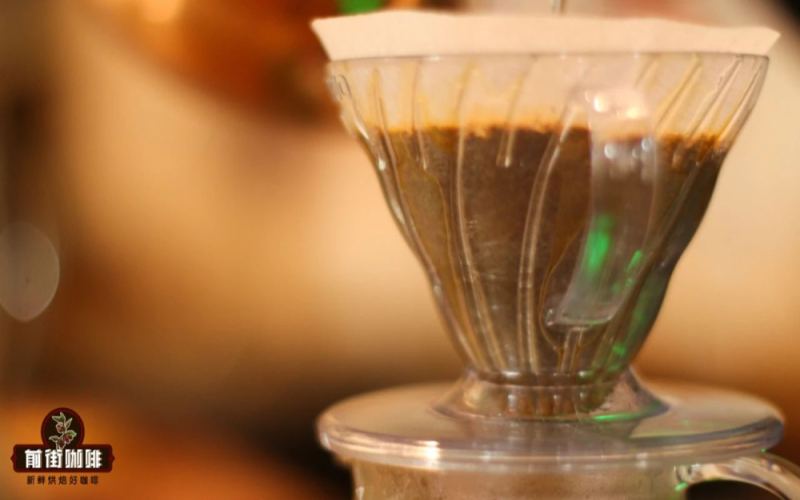
Hand Brew vs. French Press: Flavor Differences Explained — Front Street Yunnan Typica French Press Grind Size Essentials
Pour-over coffee and the French press are two common methods for brewing black coffee. The former offers strong controllability and a clear, layered flavor profile, while the latter is easy to operate and produces a full, heavy mouthfeel. This article revolves around the flavor differences between the two, and uses the specific brewing case of Front Street 2013 Yunnan Typica to explain the coffee grind size, water temperature, and steeping time suitable for the French press. The article also provides detailed parameters: a coffee-to-water ratio of 1:15, 92 degrees Celsius, EK43s-10.5 setting, and a 4-minute steep, and reminds readers that grinding too fine will lead to over-extraction and the problem of grounds passing through the filter mesh, helping coffee enthusiasts consistently reproduce a balanced cup of black coffee at home. [more…]
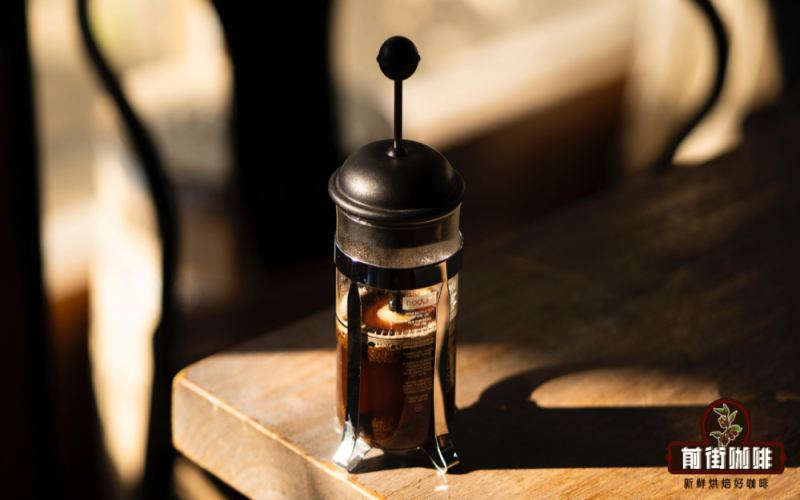
A Complete Guide to Brewing Huakui Coffee with a French Press: Parameter Selection, Grind Size, and Extraction Principles Explained
The French press is simple to operate with a low barrier to entry, making it the preferred brewing device for many coffee enthusiasts at home. However, when using a French press to brew Huakui coffee beans, it is easy to end up with bitterness or a weak, bland cup if you're not careful. Drawing on Front Street Coffee's hands-on experience, this article systematically reviews the history of the French press, the origin background and flavor characteristics of Huakui coffee beans, and provides specific recommendations for water temperature, coffee dose, coffee-to-water ratio, and grind size. It also explains, in light of the extraction characteristics of medium-light roasted beans, why a French press requires a coarser grind than pour-over, helping readers avoid the two extremes of over-extraction and under-extraction in immersion brewing, and consistently produce a full-bodied, rich cup of Huakui coffee. [more…]
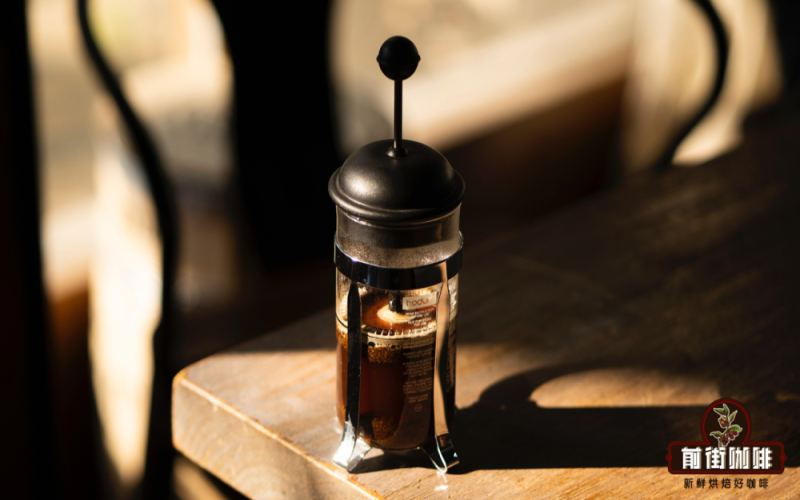
How to Use a Starbucks French Press? Detailed Guide to Coffee-to-Water Ratio and Grind Size, with a Front Street Coffee Huakui Brewing Tutorial
Want to enjoy a great cup of coffee without being tied down by a pile of gear like a pour-over kettle, dripper, and thermometer? A French press may be the most hassle-free choice. This article starts with the history of the French press, then breaks down the coffee-to-water ratio, water temperature, and grind size parameters for the Starbucks French press, and uses Front Street Coffee's Huakui coffee beans as an example to walk you through the complete French press brewing process step by step, helping you avoid the pitfall of over-extraction and bitterness so you can easily make a cup of coffee that is rich and full-flavored. [more…]
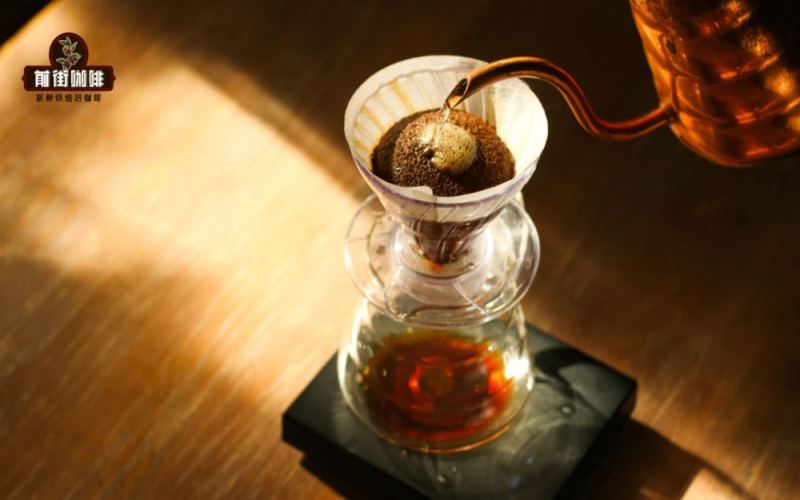
Which coffee beans are suitable for brewing with a French press? A full analysis of steeping time and grind size
Want to enjoy a great cup of coffee without hauling out a full pour-over setup? A French press might be the most hassle-free choice. It's simple to use and has a low barrier to entry, but if you want to brew a cup that's full of flavor without bitterness, the choice of coffee beans, grind size, and steeping time are all crucial. This article draws on the brewing experience of Front Street Coffee and uses the Geisha coffee bean as an example to explain in detail what kind of beans suit a French press, how long to steep for the best results, and how to avoid over-extraction by adjusting grind size and water temperature, so you can easily replicate a rich, delicious French press coffee at home. [more…]
What Coffee Beans Should You Pair with a French Press? A Complete Guide to Brewing Steps and Key Techniques
To easily make a rich cup of black coffee at home, the French press is one of the lowest-barrier options, and its operation is quite similar to brewing tea. This article begins with the origin and structure of the French press, then sorts out the key parameters affecting extraction—grind size, water temperature, coffee-to-water ratio, and steeping time—and gives specific recommendations for medium-light and medium-dark roasted beans. It also reminds readers of the deep-cleaning points after use, as well as the French press's expanded uses in brewing tea, frothing milk, and more. The parameters and product information recommended by the Front Street brand in the article are all retained, making it suitable for coffee enthusiasts who want to systematically master French press brewing. [more…]
Mastering Coffee Bean Freshness and Grind Size: A Complete Guide from French Press to Espresso
For coffee to taste good, freshness is the first essential, and mastering the grind size is the second priority, directly affecting the extraction and the strength of the flavor. In principle, the finer the coffee grounds and the longer the brewing time, the stronger the taste; conversely, the weaker it is. The longer the extraction time, the coarser the beans should be ground, to avoid over-extraction causing bitterness; the shorter the extraction time, the finer the beans should be ground, to avoid under-extraction. Different brewing devices have different requirements for grind size: a French press is suited to coarse grinding, filter paper or a siphon needs slightly finer, and a moka pot, due to different heat sources, has room for flexible adjustment. Espresso relies even more on a precisely constructed dual-burr grinder to brew a thick, authentic Italian flavor. This article will provide a complete analysis of the grinding essentials for each device and visual judgment techniques for espresso. [more…]
A Comprehensive Analysis of the French Press: From Extraction Principles to Brewing Steps and Crema Performance
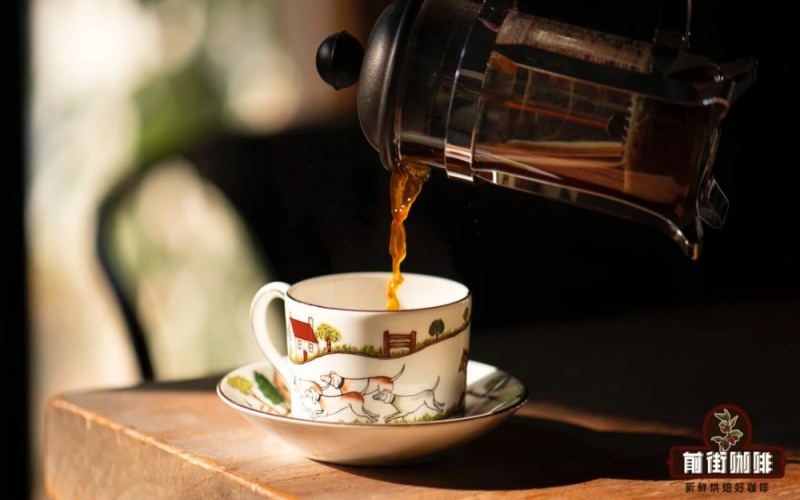
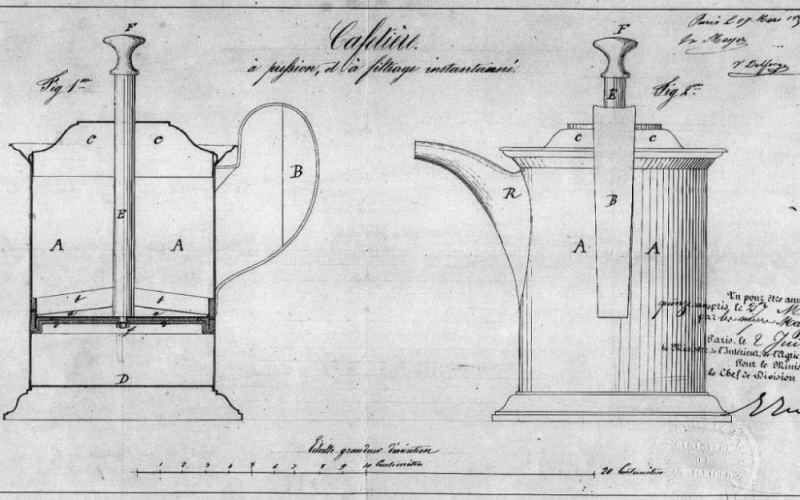
The French press, also known as a French filter press or tea maker, is nicknamed the "lazy person's pot" due to its simple operation. It originated in France around 1850. It consists of a heat-resistant glass body and a metal filter with a plunger, and was initially mostly used for brewing black tea. The French press fully preserves the coffee's flavor and oils, offering a smooth, sweet, and rich mouthfeel. Its extraction rate is close to that of cupping, and it is the easiest method to replicate the same flavor, making it very suitable for beginners. However, it has higher requirements for coffee bean quality and freshness, and overly fine grinding can easily lead to over-extraction. This article will detail the pros and cons of the French press, the differences in oils compared to espresso and moka pot, and include the complete operating steps from Front Street Coffee. [more…]
Origins of the French Press | How to Make Coffee with a French Press? Which Single-Origin Coffee Beans Are Suitable for the French Press? French Press Coffee Brewing Parameters
For more specialty coffee knowledge, please follow: Front Street Coffee (Frontsteet Coffee) The French press is one of the simplest coffee brewing devices to operate and is quite popular in Europe and America, but most people in China know it as "something used to brew tea [more…]
The Complete French Press Guide: Professional Brewing Parameters from Grind Size to Steep Time, Plus Coffee Bean Recommendations
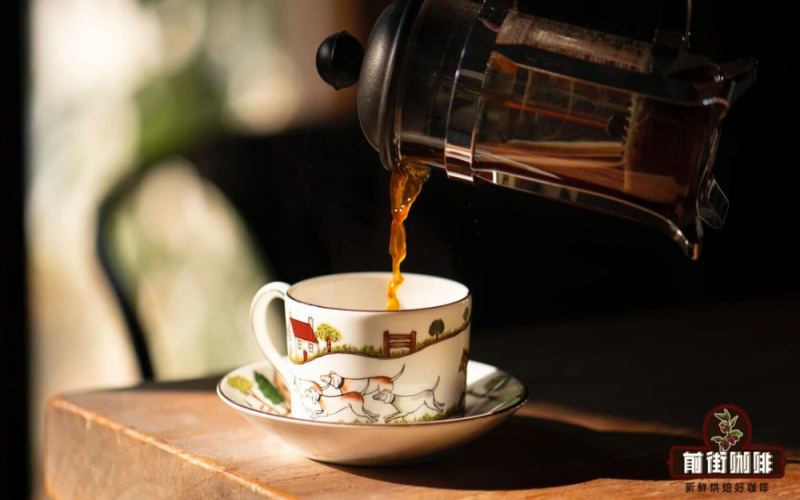
The French press is simple to operate and popular in Europe and America, but many people only treat it as a tea-making tool. In fact, the coffee it makes is no less flavorful than pour-over, and it can brew more than two servings at once. Front Street Coffee has always regarded the French press as the preferred device for easy home brewing. This article will start with the principles of the device, explain key parameters one by one such as grind size, steeping time, water temperature control, and coffee-to-water ratio, and answer which coffee beans are more suitable for the French press. Finally, it will include cleaning and maintenance tips to help you consistently make a cup of rich, well-balanced French press coffee. [more…]
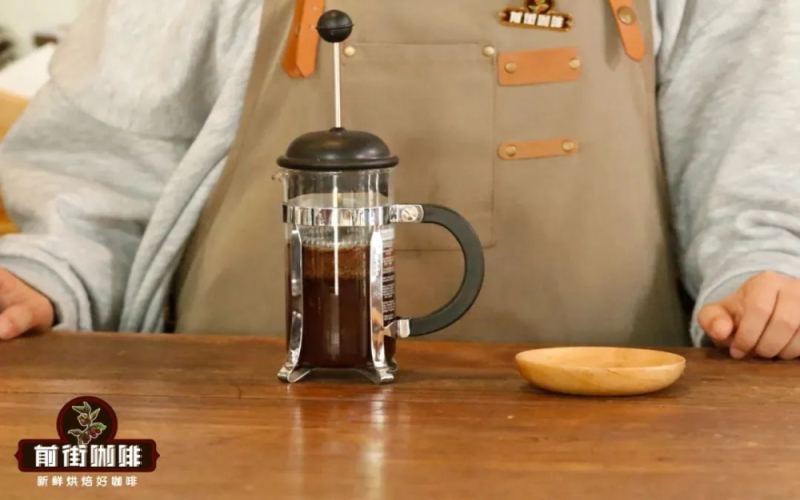
The Complete French Press Guide: Practical Tips from Bean Selection to Brewing and Maintenance
The French press is one of the simplest coffee brewing devices to operate, requiring no complex pouring technique, which is why it is so popular among beginners. However, this seemingly simple immersion extraction actually involves several key variables, including coffee bean selection, grind size, steeping time, water temperature, and coffee-to-water ratio. This article systematically breaks down the working principles and practical parameters of the French press to help you avoid common pitfalls and brew a cup of rich, balanced coffee. It also includes key points on filter cleaning and daily maintenance to keep the device in good condition at all times. [more…]
The Complete Guide to French Press Coffee Brewing: From Parameter Settings to Bean Selection and Cleaning Tips
The French press has a low barrier to entry and delivers consistent results, making it extremely common in Western households, but many people in China only treat it as a tea-making tool. In fact, as long as you master a few key variables—grind size, steeping time, water temperature, and coffee-to-water ratio—a French press can deliver just as rich a flavor as pour-over, and it can easily brew more than two servings at once. Drawing on Front Street's hands-on experience, this article systematically breaks down French press brewing parameters, offers specific recommendations for beans of different roast levels, and finally highlights an often-overlooked cleaning detail to help you consistently reproduce a delicious cup of French press coffee. [more…]
The Complete Guide to French Press Coffee: Bean Selection, Ratios, and Starbucks French Press Brewing Tips
The French press is easy to operate and produces a rich, full-bodied brew, making more than two servings at a time—a hassle-free choice for home brewing, which is why Front Street Coffee often lists it as the top beginner-friendly device. This article focuses on the French press: first explaining its construction and the principle of immersion extraction, then offering parameter recommendations such as grind size, steeping time, water temperature, and coffee-to-water ratio (e.g., about 4 minutes for light-to-medium roasts, about 3 minutes 30 seconds for medium-to-dark roasts, water temperature of 92–94°C or 89–90°C, and a coffee-to-water ratio of 1:16). It then answers which coffee beans are better suited to the French press and recommends a bean list including Front Street Coffee Golden Mandheling, Queen's Estate, Bird of Paradise, Huilan, as well as Strawberry Candy, Mozart, and Sidra. Finally, it reminds users that the metal filter needs to be disassembled and cleaned promptly to avoid oil oxidation affecting the flavor. [more…]
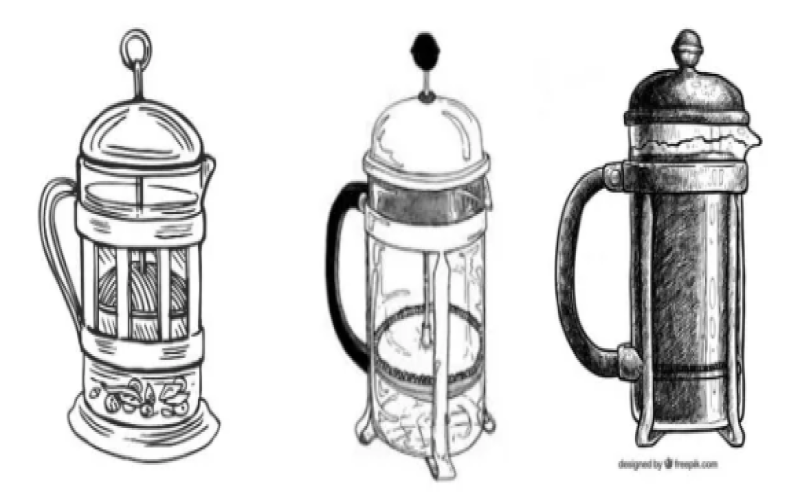
French Press Tutorial | How Coffee Newbies Can Brew Coffee with a French Press: What Coffee-to-Water Ratio Is Suitable for French Press, and How Long Should the Coffee Grounds Steep?
What kind of coffee can you brew with a French press? The French press is a full-immersion brewing device with a metal filter. This gives the brewed coffee a distinctive trait: because the water and coffee grounds steep together directly, the resulting coffee retains more oils and therefore has a heavier, fuller mouthfeel. For those who don't like [more…]
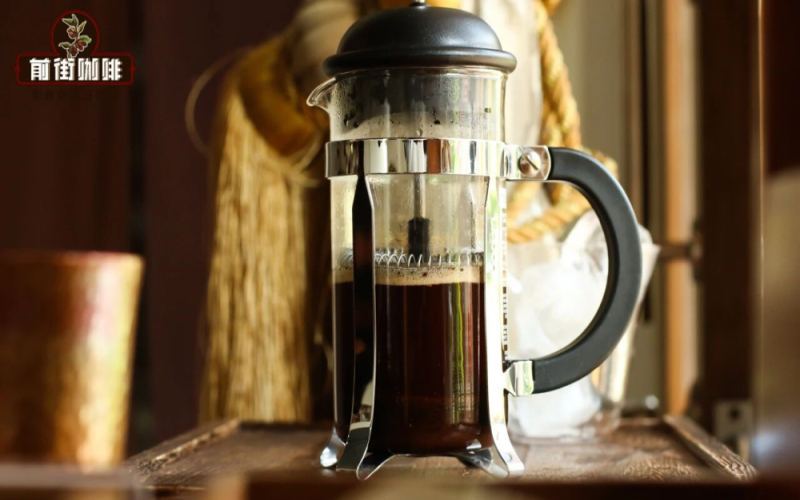
The Complete Guide to French Press Coffee Brewing: A Detailed Explanation of Grind Size, Steeping Time, and Water Temperature Parameters
The French press is easy to use and extremely popular in European and American households, yet many people in China treat it merely as a tea-making tool. In fact, the body and balance of coffee brewed in a French press are no inferior to pour-over, and it can make more than two servings at a time, making it very suitable for everyday home use. Front Street Coffee has always listed the French press as one of the top beginner-friendly brewing devices. This article will provide specific parameter recommendations across four dimensions—grind size selection, steeping time, water temperature control, and coffee-to-water ratio—and explain which roast types of coffee beans best showcase the advantages of the French press. Finally, it includes notes on daily cleaning and maintenance to help you consistently brew a delicious cup of French press coffee. [more…]
The Complete Guide to Brewing Coffee with a French Press: Bean Selection, Grind Size, and Detailed Water Temperature and Timing Parameters
The French press has a low barrier to entry and delivers consistent results, enjoying extremely high popularity in European and American households, yet many domestic users still habitually treat it as a tea-making tool. In fact, as long as you master the variables of grind size, steeping time, water temperature, and coffee-to-water ratio, a French press can fully bring out coffee flavors on par with pour-over, and it can produce more than two servings at a time, making it very well suited to home use. In its daily recommendations, Front Street Coffee also often lists the French press as a top choice tool for beginners. This article will cover four dimensions—suitable bean varieties, parameter settings, brand bean selection advice, and cleaning and maintenance—to help coffee lovers reliably reproduce a rich, balanced cup of French press coffee in a simple way. [more…]
French Press Coffee Brewing Guide: Parameter Settings and Recommended Coffee Beans
The French press is easy to use and extremely common in European and American households, but many people in China only treat it as a tea-making tool. In fact, coffee brewed with a French press is no less flavorful than pour-over, and it can make more than two servings at a time, making it very suitable for relaxed home enjoyment. Front Street Coffee has always recommended the French press as the top choice for beginners who want to make coffee at home. However, the French press seems simple, but if you want to brew a good-tasting cup, parameters such as grind size, steeping time, water temperature, and coffee-to-water ratio all need attention, and there are also particular considerations when choosing beans. Below, Front Street will give specific suggestions one by one to help you avoid common pitfalls and easily make a cup of rich, balanced French press coffee. [more…]
French Press | How to use a Starbucks French press and what coffee grind size? What flavor characteristics does Ethiopian Huakui coffee brewed in a French press have?
For more specialty coffee knowledge, please follow: Front Street Coffee (Frontsteet Coffee) Nowadays, discerning coffee enthusiasts who want to brew a standard pour-over coffee at home need to prepare a variety of tools: a gooseneck kettle, a server, a dripper, filter paper, a thermometer... Using them is quite a production, and when not in use [more…]
A Practical Guide to Brewing Mandheling with a French Press: Grind Size, Water Temperature, Time, and Ratio Fully Explained
The French press is easy to use and requires no complex pouring technique, making it the daily go-to for many coffee lovers. But simple doesn't mean arbitrary—grind size, steeping time, water temperature, and coffee-to-water ratio all directly affect the final flavor. This article focuses on the key points of brewing medium-to-dark roasted coffee such as Mandheling in a French press, explaining which bean types suit the French press, how to choose grind size, how time and water temperature work together, and the recommended range for coffee-to-water ratio, while also emphasizing the importance of daily cleaning and maintenance. It retains Front Street brand's bean list recommendations and brewing parameter suggestions to help you consistently brew a rich, balanced cup of coffee at home. [more…]
How to determine the grind size for different coffee brewing devices? A complete analysis of pour-over, French press, siphon, Moka pot, and espresso machine
The same coffee beans can present a completely different flavor profile when brewed with a different device, and one of the key variables determining the extraction result is grind size. Coffee beans must first be ground to efficiently release aroma and soluble solids, but different devices extract in very different ways, so grind coarseness cannot be generalized. Over-extraction brings out bitter, off-flavors, while under-extraction results in a thin, sour taste, so finding grind parameters that match your device is especially important. Based on Front Street Coffee's hands-on testing experience and using the industry-recognized cupping grind standard—the No. 20 sieve pass-through rate—this article provides recommended grind ranges one by one for the French press, pour-over coffee, cold drip and cold brew, siphon, espresso machine, and moka pot, and explains how roast level, water temperature, and extraction time affect grind adjustments, helping you consistently reproduce a delicious cup at home. [more…]
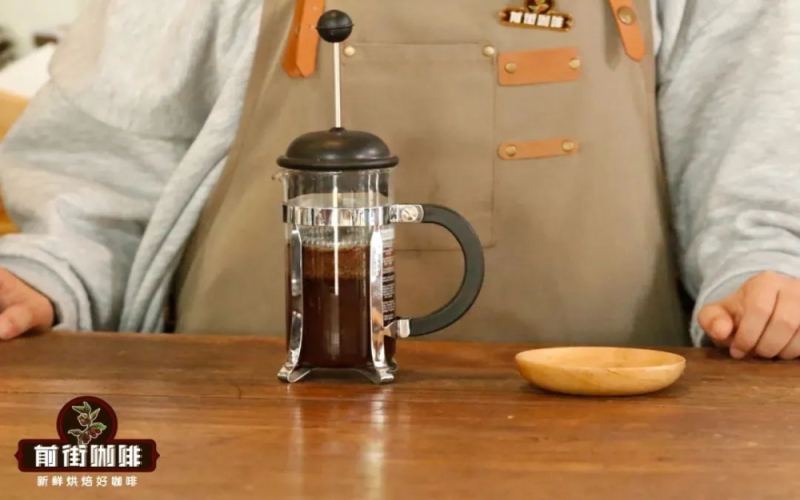
The Complete French Press Coffee Guide: A Practical Guide to Grind Size, Steeping Time, Water Temperature, and Coffee-to-Water Ratio
The French press has become the preferred brewing device for many coffee enthusiasts in their daily routine due to its low barrier to entry and the fact that it doesn't require precise pouring techniques. But this seemingly simple immersion-style extraction is actually affected by grind coarseness, steeping time, water temperature, and coffee-to-water ratio, all of which directly influence the final flavor in the cup. Drawing on practical experience, Front Street Coffee has outlined the recommended ranges for several key parameters in French press brewing: the sieve pass-through rate for coarse grinding, the differences in steeping time between medium-light roasts and medium-dark roasts, a water temperature set slightly higher than that for pour-over, and a standard coffee-to-water ratio of 1:16. It also discusses the compatibility of coffee beans with different roast levels for the French press, and reminds readers of easily overlooked details in daily cleaning and maintenance, helping everyone consistently brew a balanced and delicious cup of French press coffee. [more…]